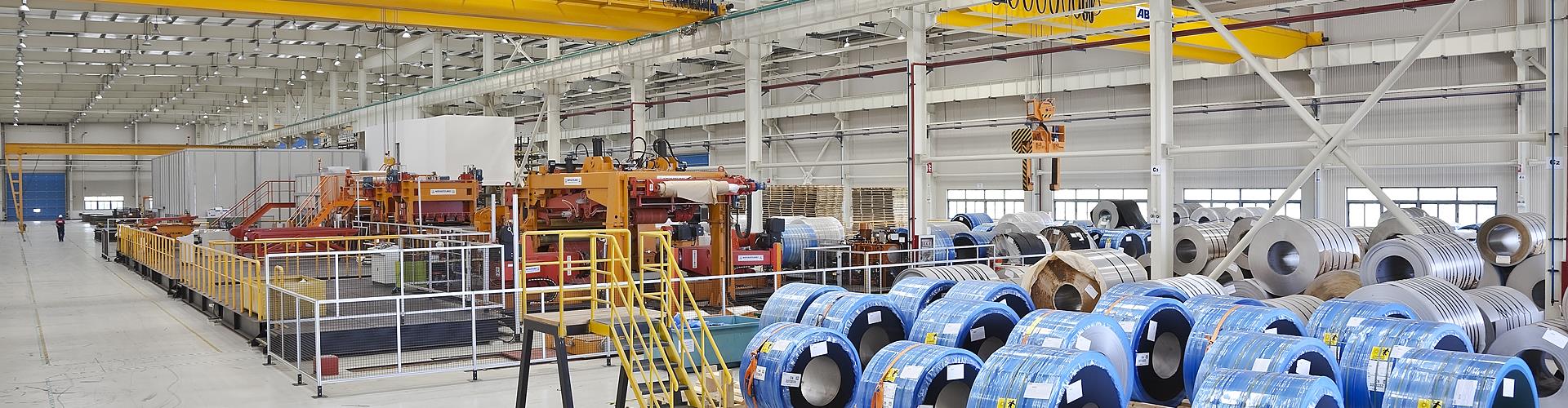


โคบอลต์อัลลอยด์ HY ST31 / UNS R30031 การแนะนำผลิตภัณฑ์
โลหะผสมโคบอลต์ เช่น HY ST31 และ UNS R30031 มีชื่อเสียงในด้านความทนทานต่อการสึกหรอ การกัดกร่อน และอุณหภูมิสูงเป็นพิเศษ บทความนี้ให้ข้อมูลเบื้องต้นเกี่ยวกับโลหะผสมเหล่านี้อย่างครอบคลุม ครอบคลุมองค์ประกอบทางเคมี สมบัติทางกล สมรรถนะที่อุณหภูมิต่างๆ การใช้งานในอุตสาหกรรม รูปร่างและขนาด มาตรฐานการผลิต ความสามารถในการเชื่อมและแปรรูป ข้อดีและข้อเสีย และการเปรียบเทียบกับโลหะผสมที่คล้ายคลึงกัน
องค์ประกอบทางเคมี
HY ST31 และ UNS R30031 มีองค์ประกอบทางเคมีที่ซับซ้อนซึ่งออกแบบมาเพื่อให้ได้คุณสมบัติประสิทธิภาพสูง:
| องค์ประกอบ | องค์ประกอบ (%) |
|---|---|
| โคบอลต์ (Co) | 30.0 - 34.0 |
| โครเมียม (Cr) | 27.0 - 31.0 |
| ทังสเตน (W) | 12.0 - 15.0 |
| นิกเกิล (พรรณี) | 3.0 – 5.0 |
| เหล็ก (เฟ) | 3.0 - 4.5 |
| โมลิบดีนัม (Mo) | 2.0 – 3.5 |
| คาร์บอน (ซี) | 0.05 - 0.15 |
| แมงกานีส (Mn) | สูงสุด 1.0 |
| ซิลิคอน (ศรี) | สูงสุด 1.0 |
| ฟอสฟอรัส (P) | 0.04 สูงสุด |
| ซัลเฟอร์ (S) | 0.04 สูงสุด |
คุณสมบัติทางกล
HY ST31 และ UNS R30031 มีคุณสมบัติเชิงกลที่ดีเยี่ยม เหมาะสำหรับการใช้งานที่มีความเครียดสูง:
| คุณสมบัติ | ค่า |
|---|---|
| ความต้านแรงดึง ksi (MPa) | 135 (930) นาที |
| ผลผลิตความแข็งแรง (ชดเชย 0.2%) ksi (MPa) | 105 (725) นาที |
| การยืดตัว (% เป็น 2 นิ้ว) | 20 นาที |
| ความแข็ง Rockwell C (HRC) | 38 – 44 |
ลักษณะการทำงาน
โลหะผสมโคบอลต์เหล่านี้ให้ประสิทธิภาพที่โดดเด่นในสภาพแวดล้อมที่รุนแรง:
- ความต้านทานการสึกหรอ: ทนทานต่อการเสียดสี การสึกกร่อน และการสึกหรอระหว่างโลหะกับโลหะได้ดีเยี่ยม ทำให้เหมาะสำหรับการใช้งานที่มีความเครียดสูง
- ความต้านทานการกัดกร่อน: ต้านทานการเกิดออกซิเดชันและการกัดกร่อนได้ดีเยี่ยมในสภาพแวดล้อมที่มีอุณหภูมิสูงและมีฤทธิ์กัดกร่อน รวมถึงกรดและด่าง
- ความแรงของอุณหภูมิสูง: รักษาความแข็งแรงและความแข็งที่อุณหภูมิสูงถึงประมาณ 1200°F (650°C)
การใช้งานในอุตสาหกรรม
HY ST31 และ UNS R30031 ถูกนำมาใช้ในอุตสาหกรรมต่างๆ ที่ความทนทานและความต้านทานต่อการสึกหรอและการกัดกร่อนเป็นสิ่งสำคัญ:
| ภาคอุตสาหกรรม | แอพพลิเคชั่น |
|---|---|
| การบินและอวกาศ | ใบพัดกังหัน ห้องเผาไหม้ และส่วนประกอบของเครื่องยนต์ที่มีอุณหภูมิสูง |
| น้ำมันและก๊าซ | วาล์ว ส่วนประกอบของปั๊ม และอุปกรณ์ขุดเจาะที่สัมผัสกับของเหลวที่มีฤทธิ์กัดกร่อนและกัดกร่อน |
| ทางการแพทย์ | เครื่องมือผ่าตัด อุปกรณ์เทียม และการปลูกถ่ายชีวการแพทย์ที่ต้องทนต่อการสึกหรอและการกัดกร่อน |
รูปร่างและขนาด
โลหะผสมเหล่านี้มีจำหน่ายในรูปแบบและขนาดต่างๆ เพื่อให้เหมาะกับการใช้งานที่แตกต่างกัน:
- แบบฟอร์ม: แผ่น, แผ่น, บาร์, หลอดและรูปร่างที่กำหนดเอง
- ขนาด: ความหนาตั้งแต่ 0.025 นิ้วถึง 1.000 นิ้ว (0.64 มม. ถึง 25.4 มม.) เส้นผ่านศูนย์กลางตั้งแต่ 0.25 นิ้วถึง 6.0 นิ้ว (6.35 มม. ถึง 152.4 มม.)
มาตรฐานการผลิต
HY ST31 และ UNS R30031 เป็นไปตามมาตรฐานอุตสาหกรรมเพื่อให้มั่นใจในคุณภาพและความน่าเชื่อถือ:
| แบบฟอร์มสินค้า | รูปร่างที่มีจำหน่าย | ขนาดที่มีจำหน่าย | มาตรฐานการผลิต |
|---|---|---|---|
| แท่ง/แท่ง | เส้นกลม,เส้นสี่เหลี่ยม | เส้นผ่านศูนย์กลาง: 0.25″ – 6.0″ (6.35 มม. – 152.4 มม.) | ASTM A732, AMS 5759 |
| แผ่น/แผ่น | แผ่น แผ่นชีท | ความหนา: 0.025″ – 1.000″ (0.64 มม. – 25.4 มม.) | ASTM A732, AMS 5537 |
| สายไฟ | สายไฟ | เส้นผ่านศูนย์กลาง: 0.010″ - 0.250″ (0.25 มม. - 6.35 มม.) | ASTM A580, AMS 5832 |
| ท่อ/ท่อ | ท่อท่อ | OD: 0.250″ - 6.000″ (6.35 มม. - 152.4 มม.) | ASTM A732, AMS 5759 |
การเชื่อมและการแปรรูป
HY ST31 และ UNS R30031 มีความสามารถในการเชื่อมและการแปรรูปที่ดี:
- การเชื่อม: สามารถเชื่อมได้โดยใช้วิธีการมาตรฐานเช่นการเชื่อม TIG และ MIG พร้อมการอุ่นอุ่นและการรักษาความร้อนหลังการทำงานที่เหมาะสม
- กำลังประมวลผล: สามารถกลึงได้โดยใช้เครื่องมือคาร์ไบด์ แม้ว่าจะต้องได้รับการดูแลเป็นพิเศษเนื่องจากมีความแข็งและความเหนียวสูง
ข้อดีและข้อเสีย
| ด้าน | รายละเอียด |
|---|---|
| ข้อดี | ความต้านทานการสึกหรอสูง ความแข็งแรงที่ดีเยี่ยมที่อุณหภูมิสูง ความต้านทานการกัดกร่อนที่ดี และความหลากหลายในการใช้งานต่างๆ |
| ข้อเสีย | ต้นทุนที่สูงกว่าเมื่อเทียบกับวัสดุทั่วไป ต้องใช้ความเชี่ยวชาญในการจัดการเนื่องจากมีความแข็งแรงและความแข็งสูง |
โลหะผสมที่คล้ายกัน
| ชื่อโลหะผสม | การเปรียบเทียบ |
|---|---|
| โคบอลต์อัลลอย 6 | ปริมาณโคบอลต์ที่สูงขึ้น ให้ความต้านทานการสึกหรอและความแข็งที่เหนือกว่าเมื่อเทียบกับ HY ST31 และ UNS R30031 |
การเปรียบเทียบโลหะผสมที่คล้ายกัน
| คุณสมบัติ/คุณลักษณะ | HY ST31 / UNS R30031 | โคบอลต์อัลลอย 6 |
|---|---|---|
| ปริมาณโคบอลต์ (%) | 30.0 - 34.0 | 54.0 – 62.0 |
| ปริมาณโครเมียม (%) | 27.0 - 31.0 | 25.0 – 32.0 |
| ปริมาณทังสเตน (%) | 12.0 - 15.0 | 8.0 – 10.0 |
| ความแข็ง Rockwell C (HRC) | 38 – 44 | 48 – 55 |
| แอพพลิเคชั่น | Aerospace, Oil & Gas, Medical | เครื่องมืออุตสาหกรรมการสึกหรอส่วนประกอบ |
บทความโดยละเอียดนี้ให้ข้อมูลเบื้องต้นที่ครอบคลุมเกี่ยวกับ HY ST31 และ UNS R30031 โดยเน้นองค์ประกอบทางเคมี สมบัติทางกล คุณลักษณะด้านประสิทธิภาพ การใช้งานในอุตสาหกรรม รูปแบบและขนาดที่มีอยู่ มาตรฐานการผลิต ความสามารถในการเชื่อมและการประมวลผล ตลอดจนข้อดี ข้อเสีย และการเปรียบเทียบกับโลหะผสมที่คล้ายคลึงกัน วิศวกรและผู้เชี่ยวชาญที่กำลังมองหาวัสดุที่ทนทานสำหรับการใช้งานที่มีการสึกหรอสูงและทนต่อการกัดกร่อนจะพบว่าข้อมูลนี้มีประโยชน์ในการเลือกโลหะผสมที่เหมาะสมให้ตรงกับความต้องการเฉพาะของพวกเขา